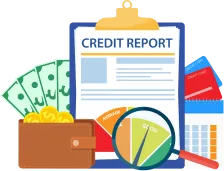
Credit Cards: How to Use Them Well, Their Benefits, and What You Need to Know Credit cards have become an essential financial tool in today’s digital economy. They are convenient, rewarding, and flexible financially when used responsibly. However, poor usage can harm credit scores and trap debt. Understanding how credit cards work is key to making them support your financial growth rather than harm it.
What exactly are credit cards? You can borrow money from a bank or other financial institution up to a pre-approved limit with a credit card. You pay off the balance over time, either in full or in part, rather than paying it off right away. There is no interest charged if the entire amount is paid before the due date. Otherwise, interest applies on the outstanding balance.
The Advantages of Using Credit Cards When used wisely, credit cards offer several advantages: Cashless Convenience: Easy payments online and offline
If paid in full, the interest-free period is typically 30 to 45 days. Rewards and Cashback: Get discounts, points, and other deals. Support in an emergency: Very helpful when unexpected costs arise. Building Credit: Making payments on time builds credit history Different Credit Cards There are a variety of credit cards designed to meet specific requirements: Rewards Credit Cards: When you spend, you get points. Cashback Cards: Get direct cashback on purchases
Benefits of travel credit cards like airline miles and hotel stays Credit cards for fuel can help you save money on fuel. Student & Beginner Cards: Lower limits, easier approval
Choosing the right card depends on your spending habits and lifestyle.
Credit Card Interest and Charges
If payments aren’t made on time, credit cards have high interest rates. Typical costs include: Interest on outstanding balance
Fees for late payments Fees for joining or annually Charges for cash withdrawals Avoiding cash withdrawals and paying bills on time reduce costs. How Credit Cards Affect Your Credit Score
Your credit score is heavily influenced by credit cards. Your score goes up when you use it frequently and pay on time, but it goes down when you default, max out your limits, or pay late. Ideally, you should keep credit usage below 30% of your limit.
Using Credit Cards Using These Smart Tips Never settle for less than the full amount. Keep track of your spending to avoid going overboard. Set reminders for paying bills. Avoid unnecessary EMI conversions
Use rewards, but don’t spend just to earn them
Last Thoughts Credit cards are powerful financial tools when used with discipline. They can assist with managing expenses, establishing credit, and earning rewards. However, misuse can lead to debt stress. Smart credit card usage is about control, awareness, and financial responsibility—key principles for long-term money growth.
Credit Cards: Smart Usage, Benefits, and Things You Must Know